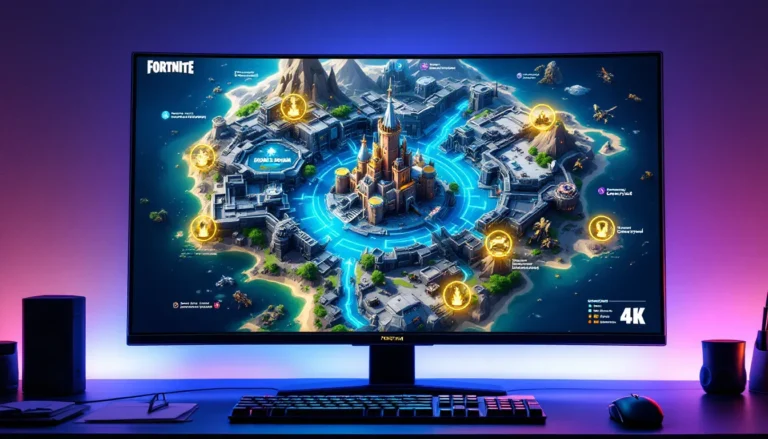
Season 7 of Fortnite Chapter 2 wasn’t just another content drop, it was the season where aliens invaded, UFOs became the meta, and Epic Games redefined what a battle royale could be. Dropping on June 8, 2021, this season brought extraterrestrial warfare to the island, introducing mechanics and weapons that still influence Fortnite’s design philosophy in 2026. Whether you’re a returning player curious about the OG era or someone who missed the alien invasion entirely, this breakdown covers everything from the Battle Pass headliners like Rick Sanchez to the chaos of piloting UFOs mid-fight. Season 7 was wild, and here’s why it still matters.
Table of Contents
ToggleKey Takeaways
- Fortnite OG Season 7’s alien invasion introduced pilotable UFOs and abduction mechanics that redefined battle royale gameplay and influenced vehicle design for years to come.
- The customizable Kymera alien skin with millions of possible combinations proved player demand for personalization, directly shaping later cosmetic designs like Toona Fish and custom hero skins.
- Rick Sanchez and Superman dominated the Battle Pass with integrated crossovers that felt cohesive to the alien invasion narrative rather than forced tie-ins.
- Strategic map changes including Corny Complex, Believer Beach, and the Mothership’s POI abductions forced players to constantly adapt rotations and landing strategies.
- Season 7’s sci-fi weapon arsenal, particularly the Rail Gun and Pulse Rifle, established that futuristic weapons could coexist with Fortnite’s core mechanics without breaking immersion.
- The live Operation: Sky Fire event drew over 6 million concurrent viewers and set the foundation for Chapter 2’s endgame and Chapter 3’s broader story progression.
What Made Season 7 the Most Groundbreaking Chapter in Fortnite History
The Alien Invasion That Changed Everything
Fortnite had teased cosmic threats before, but Season 7 went all-in. The Imagined Order (IO) faced its biggest challenge yet: a full-scale alien invasion led by the mysterious Kymera species. The season’s narrative didn’t just unfold through cinematics, it was baked into every match. Players watched the Mothership hover ominously above the map, abducting entire POIs mid-game and creating temporary low-gravity zones where fights turned into aerial dogfights.
The invasion theme wasn’t window dressing. It fundamentally altered how matches played out. Epic leaned into the sci-fi aesthetic harder than any previous season, turning the island into a war zone between IO forces and alien invaders. The stakes felt real, especially when the Mothership started kidnapping players during matches, a mechanic that was equal parts terrifying and hilarious when it happened to your squad’s only decent sniper.
UFOs, Abductions, and Intergalactic Chaos
The introduction of pilotable UFOs was Season 7’s defining gameplay feature. These flying saucers spawned across the map, offering unprecedented mobility and firepower. Players could grab opponents with a tractor beam, hurl them off cliffs, or rain down energy blasts that shredded structures in seconds. The UFO’s energy cannon dealt 30 damage per shot with a fire rate that made third-partying laughably easy.
Abductions added another layer of unpredictability. The Mothership would randomly target areas, beaming up players into a low-gravity loot room filled with chests and alien artifacts. You’d have about 20 seconds to grab gear before getting spit back out onto the map, often miles from where you started. It was chaotic, disorienting, and absolutely perfect for creating highlight-reel moments. Critics argued UFOs were overpowered (they were), but Epic eventually nerfed their health from 600 to 400 and reduced spawn rates in competitive modes.
Complete Battle Pass Overview: Skins, Cosmetics, and Rewards
Rick Sanchez and Other Legendary Outfits
The Season 7 Battle Pass was stacked with crossover content and original designs. Rick Sanchez from Rick and Morty headlined as the tier 100 skin, complete with a back bling portal gun and reactive emotes that paid homage to the show’s chaotic energy. Getting Rick to level 100 was the bare minimum, his bonus styles, including toxic and crystallized variants, required grinding to level 200.
Other standout skins included Guggimon, a punk-rock rabbit that became an instant favorite, and Doctor Slone, the Battle Pass’s tier 1 skin who doubled as Season 7’s main antagonist in the story. Slone’s additional styles unlocked through progressive challenges, giving players reasons to keep grinding long after completing the base pass. The cosmetics quality was consistently high, pickaxes, gliders, and emotes all tied into the alien invasion theme without feeling repetitive.
The pass also introduced Joey, a shapeshifting alien who could swap between human and extraterrestrial forms mid-match using a built-in emote. It was a cosmetic gimmick, but one that added personality to matches.
Unlocking Kymera: The Customizable Alien Skin
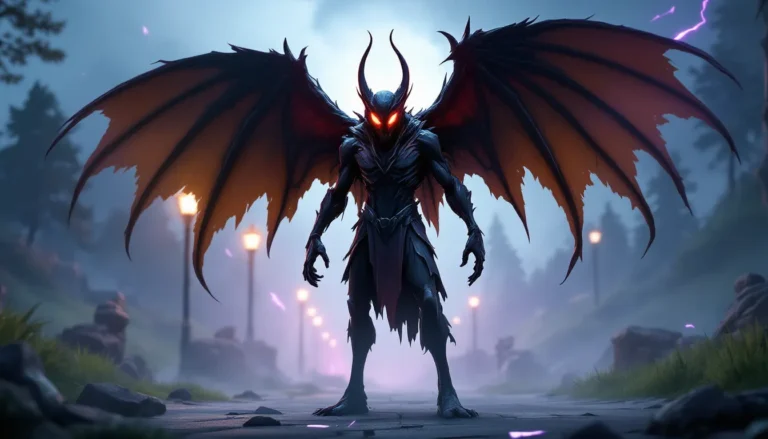
Kymera was Season 7’s experimental cosmetic, a fully customizable alien skin that broke from Fortnite’s usual preset outfit system. Players collected Alien Artifacts scattered across the map (and later from Cosmic Chests) to unlock head shapes, eye colors, skin patterns, and armor styles. There were millions of possible combinations, meaning your Kymera could look completely unique.
The catch? Artifact farming was tedious. Each week, Epic placed five artifacts in fixed locations, requiring players to scour the map with online guides or spend hours searching. Cosmic Chests, which spawned during squad matches and required teamwork to open, offered additional artifacts but came with their own frustrations, namely, randoms who refused to help or left matches early. Even though the grind, Kymera remains one of Fortnite’s most beloved skins because of the personalization it offered. In 2026, you still see customized Kymeras in lobbies, a testament to players’ attachment to their alien creations.
Map Changes and New POIs That Defined Season 7
Corny Complex and Believer Beach Replacements
Season 7’s map overhaul transformed familiar landmarks into alien-occupied zones. Corny Complex replaced Colossal Crops, introducing a sprawling farmstead with an IO base beneath it. The underground facility became a hotspot for mid-game rotations, offering loot, cover, and multiple exit routes. Corny Complex’s cornfields provided natural concealment, making it a favorite for ambush plays and third-party attacks.
Believer Beach took over Sweaty Sands, rebranding the coastal POI with a conspiracy theorist theme. Beach umbrellas, alien crash sites, and makeshift radar dishes dotted the area. Loot density remained high, but the open beach made rotations risky without UFOs or vehicles. The aesthetic shift, from tropical resort to paranoid investigation hub, perfectly captured Season 7’s narrative tone.
Other notable changes included Holly Hatchery, where Holly Hedges became infested with alien plant life, and the addition of satellite stations across the map that served as mini-loot spots and rotation anchors. According to coverage from IGN, these POI updates kept the map feeling fresh without alienating players who’d memorized Chapter 2’s geography.
The Mothership and Its Impact on Gameplay
The Mothership wasn’t just a skybox decoration, it actively influenced matches. Throughout the season, it abducted entire POIs, temporarily removing Corny Complex and later Slurpy Swamp from the playable map. These abductions created strategic shake-ups: suddenly, your favorite landing spot was gone, forcing adaptation.
When POIs returned (usually the following week), they came back altered, sometimes with alien tech upgrades or additional loot spawns. The Mothership itself appeared in Limited Time Modes where players could board it and battle inside zero-gravity chambers. These modes were chaotic but offered a break from standard BR gameplay.
The Mothership’s destruction at the end of Season 7 (during the live “Operation: Sky Fire” event) rained debris across the map, setting up Chapter 2 Season 8’s cube-dominated storyline. That event drew over 6 million concurrent viewers, cementing Season 7’s place in Fortnite history.
New Weapons and Items: The Arsenal of Season 7
Rail Gun, Pulse Rifle, and Recon Scanner Breakdown
Season 7 introduced alien weaponry that felt genuinely different from Fortnite’s existing arsenal. The Rail Gun was a charge-up weapon that fired a piercing shot through multiple structures and players. At legendary rarity, it dealt 85 body damage and 187.5 headshot damage, with the ability to see enemy outlines while charging. Comp players loved it for breaking turtle plays: casuals hated dying to wallbangs they couldn’t counter.
The Pulse Rifle functioned like a futuristic assault rifle with perfect accuracy and no bloom. Damage started at 23 (common) and scaled to 27 (legendary) per shot, with a 2.5x headshot multiplier. Its slow projectile speed balanced the zero-bloom advantage, rewarding tracking aim over flick shots. The Pulse Rifle became a staple in mid-range fights, especially for controller players who could track consistently.
The Recon Scanner was utility over firepower, marking enemies within a cone for your entire squad. It didn’t deal damage but turned coordinated teams into nightmares for solos and duos. Competitive formats eventually restricted it due to its information advantage.
Epic also brought back the Pump Shotgun mid-season, answering community feedback after its controversial Season 6 vaulting. The Pump’s return was celebrated across social media, with Dexerto reporting a 40% uptick in Arena queue times the day it was unvaulted.
Crafting System Updates and Material Changes
Season 7 simplified the crafting system introduced in Season 6. Gone were the complex mechanical parts and animal bones, now players only needed Nuts and Bolts (found in industrial containers and IO chests) to craft or upgrade weapons. You could craft a Legendary Pump from a Rare variant using 60 Nuts and Bolts, making endgame loadouts more accessible.
Alien Nanites introduced a new crafting branch. These glowing canisters (found near UFO crash sites and IO bases) could transform areas into low-gravity zones or be used to craft specific alien weapons. The crafting menu became cleaner, with clearer upgrade paths.
Material changes were subtle but impactful. Wood’s starting health dropped slightly, encouraging players to mix materials when building. Metal gained a faster initial build time, making it more viable for early-game defense. These tweaks didn’t revolutionize the meta but showed Epic’s willingness to iterate on core mechanics.
Gameplay Mechanics and Features Introduced
Flying and Piloting UFOs
UFO piloting was intuitive but had a skill ceiling. Jump in, and you’d immediately control a vehicle with three abilities: Energy Cannon (primary fire), Tractor Beam (grab objects or players), and Boost (limited-use speed burst). The Energy Cannon overheated after sustained use, forcing reload downtime. Smart pilots used cover between bursts: bad ones got lasered out of the sky by concentrated AR fire.
The Tractor Beam was the most versatile tool. You could grab downed teammates to safety, yoink enemy builds mid-fight, or pick up cars and launch them at structures for instant destruction. The physics were hilarious, grabbing a player and flinging them off-map became a meme strategy in casual modes.
UFOs had 600 HP initially (nerfed to 400 by v17.20), making them tanky enough to survive third-parties but destructible if focused. In competitive modes, UFO spawn rates were reduced, and their damage was nerfed to prevent mobility dominance. In pubs, they remained chaotic fun machines until vaulted at season’s end.
Alien Nanites and Low Gravity Zones
Alien Nanites were throwable items that created Low Gravity Zones, 15-meter radius bubbles where physics went sideways. Players caught inside moved in slow-motion vertically but maintained normal horizontal speed. Editing and building still worked, but the low gravity made shotgun fights unpredictable as players floated between shots.
Strategic uses included:
- Throwing Nanites on enemy builds to mess up their edit timing
- Creating escape routes when boxed in
- Slowing down aggressive pushes by turning the battlefield into a low-grav arena
Nanites had a 30-second duration and couldn’t be stacked in the same area. Competitive players mostly ignored them (too situational), but in Team Rumble and creative modes, they added genuine chaos. Some players kept Nanites just to troll teammates, which says everything about Fortnite’s community culture.
The Epic Quest Line and Story Progression
Superman Challenges and How to Unlock the Man of Steel
Superman arrived mid-season as a secret Battle Pass skin, locked behind a series of thematic challenges. To unlock the Man of Steel, players needed to complete all Superman Quests, which dropped weekly starting around late July 2021. Challenges included classic comic book references: opening the Daily Planet newspaper stands, gliding through floating rings in specific locations, and using a phone booth to “suit up” (a cosmetic emote).
The grind took about 3-4 weeks if you stayed current with weekly releases. Superman came with multiple styles: classic comic look, black suit, and a Clark Kent “civilian” outfit. The Clark Kent skin could transform into Superman using phone booths scattered across the map, a detail that showed Epic’s attention to source material.
Superman also had a built-in glider that mimicked his flying pose, making him one of the most complete crossover packages Fortnite had delivered. Players who completed the quest line before the season ended got exclusive “Shadow” styles, which are now flexes in 2026 lobbies.
Weekly Legendary Quests and Cosmic Chests
Epic Quests formed the backbone of Season 7’s weekly content. Legendary (gold) quests offered story progression and cosmetic unlocks, while standard (purple) quests provided Battle Stars for pass progression. The quest design improved over Season 6’s grindy challenges, most tasks could be completed in 2-3 matches without feeling like chores.
Cosmic Chests were Season 7’s squad-focused loot mechanic. These glowing purple chests spawned randomly during matches and required all nearby squadmates to simultaneously attack them to open. Inside: high-tier loot, Alien Artifacts for Kymera customization, and occasionally mythic-tier weapons.
The problem? Solo queue players rarely coordinated effectively. You’d ping the chest, one teammate would run off, and the chest would despawn. Epic eventually increased Artifact drops from other sources after GameSpot and other outlets reported widespread player frustration. Even though the rocky launch, Cosmic Chests added a cooperative element that rewarded squads who communicated, a rarity in Fortnite’s often chaotic voice chat.
Why Season 7 Remains a Fan Favorite in 2026
Community Reactions and Lasting Legacy
Season 7 sparked polarizing reactions when it launched, but time has been kind to its reputation. The UFO meta frustrated competitive players, pros complained about third-partying and mobility imbalance, but casual players loved the chaos. Epic’s mid-season balance adjustments (UFO nerfs, competitive restrictions) showed they were listening, which earned goodwill even from critics.
The alien invasion theme resonated because it felt cohesive. Every element, skins, weapons, map changes, quests, tied into the extraterrestrial narrative. Compare that to some later seasons where themes felt scattered or half-baked, and Season 7’s focused vision stands out.
Collaborations like Rick and Morty and Superman didn’t feel forced. They integrated into the story (Rick even had voice lines acknowledging the alien invasion), making crossovers feel like natural parts of Fortnite’s multiverse rather than cheap tie-ins. In 2026, players still reference “the UFO season” with nostalgia, especially those who experienced the live Operation: Sky Fire event.
How OG Season 7 Influenced Future Fortnite Updates
Season 7’s mechanics left fingerprints on Fortnite’s future. The customizable Kymera skin proved player appetite for personalization beyond preset styles, influencing later skins like Toona Fish (Season 8) and custom superhero skins. UFO-style vehicles reappeared in modified forms, Ballers, Blimps, and hover bikes all borrowed mobility concepts first tested with Season 7’s flying saucers.
The IO vs. Alien conflict set up Chapter 2’s endgame and Chapter 3’s Foundation storyline. Dr. Slone’s betrayal during the Mothership event became a recurring plot point, with her character appearing in multiple subsequent seasons. Epic learned that players engaged more when story elements had consequences that carried over.
Weapon design also evolved. The Rail Gun’s pierce-through mechanic returned in various forms (Sideways Minigun, Stinger SMG), and the Recon Scanner’s marking system influenced later utility items. Season 7 taught Epic that sci-fi weapons could coexist with Fortnite’s aesthetic without breaking immersion, a lesson applied to everything from Chapter 3’s weapons and mechanics found across different seasons.
Tips and Strategies for Experiencing Season 7 Content
Best Landing Spots and Rotation Strategies
If you’re revisiting Season 7 through throwback LTMs or private servers, certain spots offered the best risk-reward ratios:
Corny Complex: High loot density, underground IO base for quick gear, multiple exit routes. The cornfields allowed for sneaky rotations toward the center map. Downside: everyone landed here early season, making it a bloodbath.
Believer Beach: Solid coastal loot, decent mats from wooden structures, easy rotation north or east. The open beach meant you needed to grab a UFO or vehicle quickly to avoid getting caught in storm rotations.
Holly Hatchery: Underrated spot with consistent chest spawns and alien vegetation for quick Nanite farming. Quieter than Corny or Believer, making it ideal for warming up or surviving early game.
Satellite Stations: Scattered across the map, these mini-POIs had 2-4 chests each. Chain two or three together for a fully kitted loadout without major fights. Pro tip: the station south of Steamy Stacks was almost always uncontested.
Rotation-wise, prioritize grabbing a UFO early. They spawned near IO bases and alien crash sites. If UFOs were contested, Whiplash cars spawned frequently at gas stations. Avoid running across open fields, Season 7’s mid-range meta (Pulse Rifles, Ars with scopes) punished poor positioning.
Maximizing Your Battle Pass Progress
Battle Pass grinding in Season 7 followed predictable patterns:
-
Complete Daily Quests religiously: Each set offered 25K-30K XP. Over a 10-week season, dailies alone could push you to level 100.
-
Stack Epic Quests: These released weekly and offered 30K XP per challenge. Don’t spread them out, knock out 5-10 in a single session to level up faster.
-
Farm Cosmic Chests with a premade squad: Randoms were unreliable. A coordinated squad could open 3-4 Cosmic Chests per match, netting bonus XP and Alien Artifacts.
-
AFK in Creative: Epic’s Creative XP system (later nerfed) awarded 25K XP every 15 minutes for up to 75 minutes daily. Players would load into Creative, leave their controller/PC idle, and farm levels while making dinner.
-
Prioritize Punch Cards: Repeatable tasks like “damage with ARs” or “open chests” accumulated XP. Focus on weapon classes you already used to double-dip rewards.
Superman challenges required patience since they unlocked weekly. No way to speedrun them, just stay current and complete each set as it dropped. For players chasing level 200 (max bonus cosmetics), expect to play 2-3 hours daily or leverage Creative AFK strategies. Engaging with Fortnite’s broader seasonal challenges helped players maintain consistent progression across different content updates.
Conclusion
Fortnite OG Season 7 delivered an alien invasion that went beyond cosmetic changes, fundamentally reshaping how players approached matches. From the chaotic beauty of UFO dogfights to the grind of customizing Kymera, Epic created a season that balanced spectacle with substance. The Battle Pass remains one of Fortnite’s strongest, Rick Sanchez and Superman alone justified the investment, and map changes like Corny Complex and the Mothership’s abductions kept rotations unpredictable.
Five years later, Season 7’s influence echoes in how Fortnite handles crossovers, implements vehicles, and weaves narrative into gameplay. Whether you were there for the original invasion or you’re discovering it through OG playlists in 2026, understanding Season 7 means understanding a pivotal moment when Fortnite proved battle royales could be sci-fi sandboxes without losing their competitive edge. The aliens are gone, but their legacy, and those infuriating UFO third-parties, live on in Fortnite’s DNA.