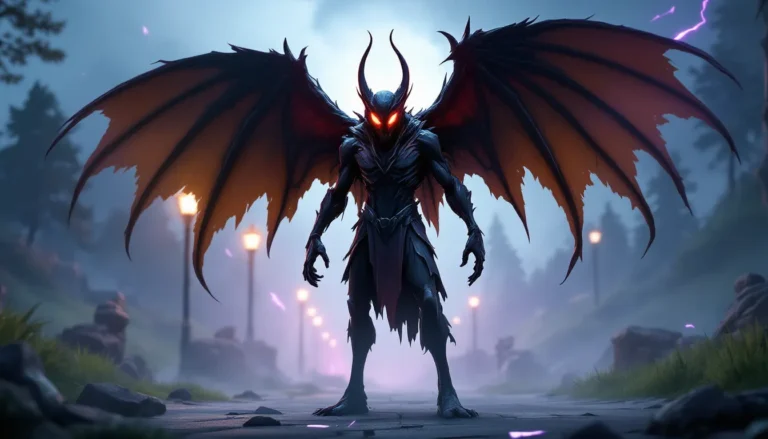
Chapter 4 Season 5 arrived as one of the most ambitious updates in Fortnite’s history, bringing an entirely new dimension to the island, literally. Players dropped into a revamped map with underground tunnels, fresh mobility options, and a battle pass stacked with fan-favorite collaborations. Whether you missed the season entirely or want to revisit what made it special, this breakdown covers every major change, weapon addition, and meta shift that defined those three months of gameplay.
Table of Contents
ToggleKey Takeaways
- Fortnite Chapter 4 Season 5 introduced an entirely new underground map layer with five major POIs, tunnels, and verticality mechanics that fundamentally altered rotations and combat strategies across casual and competitive play.
- The season featured four mythic weapons guarded by unique boss NPCs, with the Tactical Shotgun’s return and new Seismic Scanner utility creating a meta shift toward SMG-dominant loadouts in confined underground spaces.
- Battle pass cosmetics included progressive reactive skins like Ember Knight and Apex Predator (tier 100) alongside major collaborations with The Witcher (Geralt), Street Fighter (Chun-Li and Ryu), and Marvel (Moon Knight variant).
- Three live events—The Collapse, Artifact Awakening, and Tremor Warning—advanced the Zero Point fragment storyline while stress-testing environmental destruction systems for Chapter 5’s transition.
- Competitive FNCS tournaments demonstrated a dramatic meta evolution where tunnel scouting became a designated role, endgame positioning grew less predictable with multiple vertical levels, and teams required memorized landmark callouts instead of cardinal directions.
What Was Fortnite Chapter 4 Season 5?
Chapter 4 Season 5 marked a dramatic shift in Fortnite’s gameplay loop by introducing an underground layer to the battle royale map. Epic Games transformed the island with subterranean POIs, secret tunnels connecting major landmarks, and a theme centered around exploration and hidden treasures beneath the surface.
The season emphasized verticality in both directions, players could build skyward as usual, but now had to account for enemies emerging from tunnels or fleeing into underground networks. This created fresh tactical considerations for rotations, third-partying, and securing endgame positioning.
Season 5 Release Date and Duration
Season 5 launched on December 3, 2023 and ran until March 8, 2024, giving players approximately 14 weeks to complete the battle pass and experience all seasonal content. The update arrived as patch v28.00, bringing substantial file size increases due to the expanded underground map geometry.
Epic extended the season by one week beyond the initially projected end date, likely to accommodate backend preparations for Chapter 5. This gave late-comers extra time to grind out remaining battle pass tiers and complete limited-time challenges.
The Underground Theme Explained
The narrative hook centered on a mysterious organization excavating beneath the island, uncovering ancient artifacts and creating tunnel networks for resource extraction. Loading screens and quest descriptions hinted at connections to previous chapter lore, specifically callback references to The Seven’s activities during Chapter 3.
Visually, the underground areas featured bioluminescent plants, exposed crystal formations, and industrial mining equipment scattered throughout. The aesthetic blended natural cave systems with high-tech research facilities, creating distinct visual identifiers that helped players orient themselves in otherwise maze-like tunnels. Combat in these spaces favored SMGs and shotguns due to tight corridors, fundamentally different from the open-field AR battles typical of surface engagements.
Map Changes and New Locations
The island received one of its most comprehensive overhauls since Chapter 4’s debut. Epic didn’t just add new POIs, they fundamentally restructured how players moved between zones and approached rotations.
Underground POIs and Secret Areas
Five major underground locations appeared across the map:
- Cavern Crossing – A sprawling cave system beneath the central river, featuring three distinct levels with loot density comparable to above-ground named locations
- Crystal Mines – Located under the northeast mountain range, this area offered high-tier loot but required navigating narrow passages with limited escape routes
- The Dig Site – An active excavation zone in the southwest with boss NPCs guarding mythic weapon spawns
- Subterranean Station – A metro-style hub connecting four different tunnel branches, positioned strategically for mid-game rotations
- Echo Chambers – Acoustic caves in the southeast that amplified footstep audio, creating a high-risk hunting ground for audio-focused players
Each underground POI included at least two surface entry points, preventing complete lockouts if one entrance fell inside the storm. Loot distribution underground matched surface locations tier-for-tier, making them viable for competitive drop spots rather than just novelty areas.
Returning and Vaulted Locations
Tilted Towers made a surprise return in its Chapter 4 iteration, replacing the previous season’s Mega City remnants. The classic POI maintained its chaotic early-game reputation while gaining two new underground access tunnels that enabled sneakier rotations out of the hot zone.
Vaulted locations from Season 4 included:
- Chrome Crossroads (removed entirely)
- Shattered Slabs (partially destroyed, only three buildings remained)
- Anvil Square (replaced by expanded Tilted footprint)
The Herald’s Sanctum from Season 3 remained but received a complete visual rework, now appearing as an abandoned research facility with underground connections to the Cavern Crossing network. Players covering the Fortnite ecosystem noted this created interesting three-way fights between teams pushing from surface, tunnels, and the Sanctum interior.
Battle Pass Skins and Cosmetics
The Season 5 battle pass delivered 100+ cosmetic items across eight reward tracks. Epic clearly targeted nostalgia while mixing in fresh original designs that complemented the underground theme.
Page 1 featured Ember Knight, a reactive armor skin with illuminated crystal formations that changed color based on eliminations. The skin’s progressive unlock system required players to reach tier 60 before accessing its final form, creating mid-season grind targets beyond just reaching tier 100.
Other notable original skins included:
- Tunnel Rat (Tier 25) – A guerrilla fighter aesthetic with tactical mining gear
- Crystalline (Tier 47) – A reactive outfit that literally shattered and reformed when taking damage
- Bedrock (Tier 73) – A living stone golem with environmental camouflage variants
Tier 100 and Bonus Rewards
Apex Predator claimed the tier 100 slot, a bio-mechanical hunter with six unlockable styles tied to completing seasonal milestones. The skin’s bonus styles required:
- 200 eliminations with SMGs (unlocked crimson variant)
- 100 storm circle survivals past top 10 (unlocked obsidian variant)
- 50 victory royales (unlocked ultimate golden variant)
Super Styles kicked in at tier 100, offering four recolor options (Molten, Glacial, Toxic, Gilded) that applied to the battle pass’s featured skins. Unlocking all Super Styles required reaching tier 200, which demanded consistent daily engagement or battle pass level purchases.
Bonus rewards beyond tier 100 included:
- Reactive harvesting tool (Tier 125)
- Legendary glider with custom trail effects (Tier 150)
- Loading screens and music packs (scattered through tier 175)
- Animated sprays and emoticons (tier 180-200)
Collaboration Skins and Exclusive Items
The Witcher collaboration headlined Season 5’s crossover content, bringing Geralt of Rivia to the item shop in late December. The bundle included:
- Geralt skin with School of the Wolf and Skellige armor styles
- Steel and Silver sword harvesting tools (dual-wielded)
- Roach glider (yes, his horse)
- “Toss a Coin” built-in emote
A Street Fighter pack arrived mid-season, adding Chun-Li and Ryu to the roster with their iconic moves translated into Fortnite emotes. Both skins featured reactive elements tied to eliminations, displaying their respective combo meters as back bling.
The battle pass itself included a Marvel tie-in at tier 60, a variant of Moon Knight with reactive phases matching the in-game day/night cycle. This marked Epic’s continued strategy of embedding high-value IP directly into the battle pass rather than relegating everything to the item shop.
New Weapons and Item Pool Updates
Season 5 shook up the weapon meta substantially, particularly for close-quarters combat where the new underground areas demanded different loadout considerations.
Mythic Weapons and Boss Locations
Four mythic weapons entered rotation, each guarded by named boss NPCs:
The Excavator’s Hammer (Melee)
- Boss: Dig Foreman Kragg at The Dig Site
- Damage: 75 per hit with knockback effect
- Special: Ground slam ability creating shockwave
- Meta impact: Limited by melee range but devastating in tunnel combat
Crystal Shard SMG (Mythic)
- Boss: Crystalline Queen in Crystal Mines
- DPS: 228 (19 damage × 12 fire rate)
- Magazine: 30 rounds
- Special: Shots ricocheted off cave walls, making tunnel fights unpredictable
The Earthshaker (Explosive)
- Boss: Tremor at Cavern Crossing
- Damage: 120 to players, 400 to structures
- Special: Created temporary rubble barriers on detonation
- Meta impact: Strong against turtle meta in competitive endgames
Vanguard’s Tactical AR (Mythic)
- Boss: Commander Stone at Subterranean Station
- DPS: 198 (33 damage × 6 fire rate)
- Magazine: 40 rounds
- Special: First shot accuracy reset every 3 shots, rewarding controlled bursts
Boss difficulty scaled with player count, squads faced significantly tougher versions with doubled HP pools. Solo players could typically eliminate bosses with 2-3 magazines of AR ammo, while squads needed coordinated focus fire.
Vaulted and Unvaulted Weapons
Unvaulted for Season 5:
- Tactical Shotgun (adjusted to 83/87/92/97/103 damage across rarities)
- Burst Assault Rifle
- Stink Bombs (re-worked with visual smoke indicators)
- Grappler (now consumed two inventory slots to balance mobility)
- Combat SMG (nerfed from Chapter 3 stats: now 18/19/20/21/22 damage)
Vaulted from Season 4:
- Hammer Pump Shotgun
- Ranger Assault Rifle
- Maven Auto Shotgun
- Shockwave Hammer (replaced by Excavator’s mythic melee)
- Thunder Shotgun
The Tactical Shotgun’s return proved controversial in competitive circles. Coverage from outlets like Dot Esports highlighted how its faster fire rate shifted build-fight dynamics away from one-pump eliminations toward sustained shotgun-SMG pressure.
The Seismic Scanner, a new utility item, allowed players to detect enemy footsteps through walls and cave ceilings within a 20-meter radius. It consumed a consumable slot and lasted 45 seconds, creating interesting loadout decisions between carrying extra heals versus tactical information. Pro players quickly integrated it into their underground rotation strategies.
Gameplay Mechanics and Features
Beyond weapons and map changes, Season 5 introduced systems that altered fundamental movement and engagement patterns.
New Movement and Mobility Options
Sprint Sliding received adjustments specifically for underground terrain. Players could now chain slides down sloped tunnel sections, building momentum comparable to using a launch pad on surface terrain. Mastering the slide-cancel tech became essential for competitive play, letting skilled players cross open tunnel sections before opponents could land shots.
Grind Rails appeared throughout underground areas, connecting different elevation levels within cave systems. Unlike surface rails that mostly served as transport between POIs, underground rails often featured defensive positions at endpoints, creating high-risk rotation choices.
The Ascender gadget entered the loot pool at uncommon rarity, functioning as a grappling device specifically designed for vertical cave travel. It granted 10 uses before breaking, with each use covering approximately 15 meters of vertical distance. Smart players positioned Ascenders near underground mythic boss locations to enable quick escapes after securing kills.
Underground Tunnel System
The tunnel network fundamentally changed rotation meta. Twenty-three primary tunnels crisscrossed beneath the island, with dozens of secondary passages creating a web of movement options. Key design decisions Epic made:
- Tunnels never appeared inside the first storm circle, preventing ultra-safe rotations for the entire match
- Each tunnel had environmental lighting gradients, darker areas provided hiding spots but reduced visibility for spotting opponents
- Footstep audio amplified 40% underground, making crouch-walking essential for stealth rotations
- Build limit reduced to 4 tiles high in tunnels (vs. normal height limit), preventing traditional tower strats
The tunnel entrances used a color-coded system:
- Blue-framed entrances: Safe zones with healing items nearby
- Red-framed entrances: High loot density but often near boss spawn locations
- Yellow-framed entrances: Direct connections to named POIs
- White-framed entrances: Randomized connections, could lead anywhere
Competitive players mapping out strategic landing spots needed to memorize at minimum five tunnel connections to enable flexible mid-game rotations when circles closed unfavorably.
Live Events and Story Progression
Epic scheduled three major live events during Season 5, each advancing the underground excavation narrative while providing unique gameplay experiences.
Major In-Game Events During Season 5
The Collapse (January 14, 2024)
The season’s first major event triggered a controlled cave-in at Cavern Crossing, temporarily removing the POI from rotation for 48 hours. Players online during the 2 PM ET event window witnessed real-time structural failure as ceiling supports crumbled. Epic rewarded attendance with the “Witness to Destruction” loading screen and 50,000 XP.
The event served dual purposes, narrative progression showing the dangers of excessive excavation, and stress-testing Epic’s server capacity for real-time environmental destruction ahead of Chapter 5.
Artifact Awakening (February 10, 2024)
A 20-minute event sequence where an ancient device activated in Echo Chambers, projecting holographic images revealing Chapter 4’s story connections to Chapter 2’s Device event. Players couldn’t engage in combat during the event window, instead exploring the holographic timeline.
Dissecting the lore implications became a community obsession. Gaming news outlets including GameSpot ran frame-by-frame breakdowns connecting visual details to past seasons.
Tremor Warning (March 1, 2024)
The final event served as Season 5’s send-off, featuring escalating earthquakes across the island hinting at volcanic activity beneath the surface. The tremors grew stronger each hour throughout the day, culminating in fissures opening across the map at 4 PM ET. These fissures became semi-permanent additions for the season’s final week, spewing lava geysers that dealt damage but also launched players skyward for risky mobility plays.
Storyline Developments and Lore
Season 5’s narrative confirmed that the excavation efforts targeted Zero Point fragments scattered during Chapter 3’s finale. The underground boss characters weren’t random enemies, they represented different factions competing to control these fragments.
Quest dialogue from the NPC Dr. Sloane (positioned at The Dig Site) revealed that the tunnels existed long before the current excavation, suggesting a previous civilization inhabited the underground spaces. Collectible journal pages scattered through caves told the story of an ancient mining operation that encountered something that forced sudden evacuation.
The season ended ambiguously. The final cinematic showed the collected Zero Point fragments reassembling into a partial sphere before cutting to black, clearly setting up Chapter 5’s opening narrative. Based on typical Epic storytelling patterns analyzed by IGN, this unresolved plot thread positioned Chapter 5 as a direct continuation rather than a fresh start.
Challenges, Quests, and Rewards
Epic restructured the challenge system for Season 5, moving away from punch-card style progression toward objective-based quest chains with narrative context.
Weekly and Seasonal Challenges
Weekly challenges dropped every Tuesday at 9 AM ET, featuring seven objectives worth 20,000 XP each. Completing five of seven unlocked a bonus challenge for an additional 50,000 XP. Season 5 weekly challenges maintained better thematic consistency than previous seasons, Week 3’s challenges all involved underground exploration, Week 6 focused on mythic boss encounters, etc.
Notable challenge sets:
Week 1: “Going Underground”
- Enter underground areas in three different matches (20K XP)
- Collect loot from underground chests (0/10) (20K XP)
- Deal damage to opponents in caves (0/500) (20K XP)
- Use Ascenders to climb 500 meters (20K XP)
- Survive in underground areas for 10 minutes total (20K XP)
Week 8: “Boss Rush”
- Deal damage to boss NPCs (0/1000) (20K XP)
- Eliminate a boss NPC (20K XP)
- Obtain a mythic weapon (20K XP)
- Get eliminations using mythic weapons (0/3) (20K XP)
Seasonal challenges offered higher XP rewards (up to 100,000 XP) but required longer time investments. “Tunnel Explorer” required visiting all 23 primary tunnel sections, completionists needed roughly 15-20 matches to track down every location. “Crystalline Collection” tasked players with finding 50 hidden crystal fragments scattered throughout underground POIs, essentially an extended scavenger hunt.
Milestone challenges tracked cumulative stats:
- Distance traveled underground (125K XP at 100km)
- Opponents eliminated in underground areas (200K XP at 100 kills)
- Matches survived to top 10 (150K XP at 100 matches)
Limited-Time Modes and Special Events
Underworld Warfare ran for two weeks in January, restricting the playable area to underground sections only. The storm immediately covered all surface terrain, forcing 100% tunnel combat. The mode highlighted how different the underground meta played, SMGs and shotguns dominated while snipers became nearly useless.
Floor is Lava returned with underground-specific modifications. Lava flooded caves first before rising to surface level, inverting the usual survival strategy of staying low. The mode rewarded players who memorized vertical escape routes through connected tunnel systems.
Boss Battle Royale spawned all four mythic bosses simultaneously at random underground locations. Eliminated players respawned until only one squad remained, creating sustained 20-30 minute matches focused on securing mythics and denying them to opponents. First squad to collect all four mythic weapons received instant legendary loot upgrades.
Zero Build modes received underground map sections as well, though Epic reduced tunnel complexity in these variants to prevent disorientation without build markers for navigation reference. The simplified tunnel layout frustrated core players but made underground areas more accessible to the Zero Build audience.
Competitive Scene and Meta Shifts
Season 5 created the most dramatic competitive meta shift since Chapter 3 introduced Zero Build modes. Professional players needed to completely rework their rotation strategies and late-game positioning.
How Season 5 Changed the Competitive Meta
FNCS Invitational in February showcased the evolution. Early season tournaments saw players avoiding underground areas entirely, treating tunnels as death traps due to unfamiliarity. By week 4, tunnel rotations became standard practice, VOD reviews showed top teams using underground movement for 30-40% of their mid-game rotations.
Key meta developments:
Rotation Strategy: Teams designated one player as “tunnel scout” responsible for clearing underground paths ahead of the squad. This role previously didn’t exist in competitive Fortnite. Scouts typically carried the Seismic Scanner and prioritized mobility over firepower.
Loadout Adjustments: The SMG slot became non-negotiable. Previous seasons saw players sometimes dropping SMGs for utility items in stacked lobbies. Season 5’s tunnel combat made SMGs essential, with most pros carrying Combat SMGs over Tactical Shotguns for the superior DPS in confined spaces.
Storm Surge Management: Damage farming became harder since underground combat reduced visibility for third-party opportunities. Teams adapted by taking earlier fights near mythic boss locations, securing guaranteed damage numbers from boss health pools.
Endgame Positioning: Underground tunnels inside late circles created unprecedented chaos. Multiple teams occupying different vertical levels (surface, shallow caves, deep tunnels) led to less predictable endgames. Tournament win rates showed higher variance, dominant teams won less consistently because third-party angles became harder to predict.
The Tactical Shotgun meta polarized the competitive community. Its return replaced the one-shot potential of vaulted pump shotguns with sustained pressure gameplay. Players who built their mechanics around quick-peek pump shots struggled to adapt, while SMG-focused players thrived.
Best Strategies and Landing Spots
Top-tier competitive landing spots for Season 5:
Tilted Towers – Remained king for mechanical skill expression. High loot density and central positioning enabled strong rotations, though contested drops often resulted in squad wipes.
Crystal Mines – Emerged as the dark horse drop for coordinated trios. The mythic SMG boss provided guaranteed value, and three tunnel exits enabled flexible rotations. Downside: limited mid-fight escape options made it punishing against good aim.
Subterranean Station – Became the “safe drop” for consistent placement points. Lower loot quality than Tilted but far fewer contested drops. Central underground positioning meant teams always had rotation options regardless of circle pull.
The Dig Site – High-risk, high-reward. The Earthshaker mythic dominated late-game scenarios, but open sightlines around the boss spawn made the initial fight dangerous. Squads with confident IGLs favored this drop.
Landing strategy for tunnels required coordination most casual players skipped. Optimal splits involved:
- Player 1: Clear immediate area and start boss
- Player 2: Loot nearby structures for shields and ammo
- Player 3: Hold tunnel entrances against third parties
- Regroup once boss eliminated and mythic secured
Late-game tunnel play demanded different comms than surface fights. Teams developed callout systems for underground positioning since traditional cardinal directions (north/south/east/west) became harder to track in winding caves. Successful squads used landmark callouts: “Crystal cluster,” “broken rail,” “triple intersection,” etc.
Tunnel endgames rewarded aggression more than surface positioning. Sitting in a box underground meant opponents could push from multiple angles including above and below. Tournament-winning plays often involved teams using Ascenders for surprise vertical repositions during final circles, catching opponents focused on horizontal threats.
Conclusion
Chapter 4 Season 5 demonstrated Epic’s continued willingness to fundamentally reshape Fortnite’s core gameplay rather than settling into predictable seasonal iterations. The underground system wasn’t just a map gimmick, it created genuine tactical depth that persisted throughout competitive and casual play. Whether the tunnel mechanics carry forward into future chapters remains to be seen, but Season 5 proved that even after years of battle royale refinement, Fortnite still has room for meaningful innovation. The meta shifts, controversial weapon decisions, and ambitious live events combined to create one of Chapter 4’s most memorable seasons, even if some players never fully adapted to fighting in the dark.