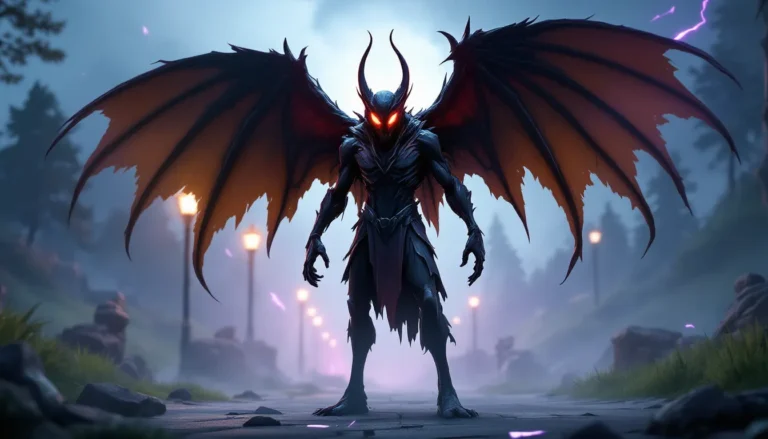
Halloween’s around the corner, and if you’re planning to drop into the costume party with some serious style, Fortnite’s got you covered. The game’s been a goldmine for costume inspiration since 2017, and in 2026, the roster of iconic skins has only gotten deeper. Whether you’re eyeing a full squad rollout or going solo with a classic skin, Fortnite characters offer instant recognition and massive flex potential.
This guide breaks down everything from top-tier skin selections to DIY builds, ready-made purchases, and the finishing touches that’ll separate your costume from a default skin attempt. We’re talking materials, techniques, group concepts, and pro tips for showing off your work. No filler, just the loadout you need to dominate Halloween 2026.
Table of Contents
ToggleKey Takeaways
- Fortnite Halloween costumes offer instant recognition and massive flex potential, with over 400 million players making skins like Skull Trooper, Drift, and Ghoul Trooper instantly identifiable at parties and events.
- DIY Fortnite costumes can be built for $50-150 using affordable materials like EVA foam, fabric paint, and contact cement, with the simplicity of Skull Trooper achievable in 8-12 hours across multiple days.
- Group squad costumes based on The Seven or themed collections (all horror skins, all food skins) maximize visual impact and showcase dedication, with four-person groups matching Fortnite’s natural squad size.
- Ready-made Fortnite costumes from Spirit Halloween, Amazon, and Party City range $40-120 but often have quality limitations; budget alternatives through Etsy creators or generic tactical gear can match the look for less with better customization.
- LED effects and glow-in-the-dark elements elevate Fortnite costumes from daytime acceptable to nighttime impressive, replicating the game’s iconic glowing aesthetic while improving visibility and safety for trick-or-treating.
- Professional face paint techniques using quality products like Mehron Paradise AQ, proper base layering, and setting spray separate competition-worthy Fortnite costume builds from basic attempts and prevent smudging.
Why Fortnite Characters Dominate Halloween Costume Trends
Fortnite characters hit differently than your average Halloween costume because they’re already designed to be visually striking. Epic Games built a universe where every skin tells a story, from tactical operators to glowing alien entities. That design philosophy translates perfectly to real-world cosplay.
The game’s cultural penetration is undeniable. With over 400 million registered players as of 2026 and consistent presence in streaming and esports, Fortnite skins have become part of the visual language of gaming. When someone shows up as Drift or Peely, everyone gets the reference immediately. That instant recognition factor is what makes these costumes work at parties, conventions, and trick-or-treating alike.
Another factor: versatility. Fortnite’s skin catalog spans every aesthetic imaginable. Horror fans can pull from nightmare-fuel skins like Hollowhead or Dire. Sci-fi nerds have The Paradigm and Foundation. Kids gravitate toward fun characters like Fishstick or Meowscles. There’s a Fortnite costume for every vibe and skill level.
The seasonal timing also works perfectly. Epic typically drops Halloween-themed skins in late September through October, giving players and cosplayers fresh inspiration right when they need it. Chapter 5’s recent additions have expanded the horror roster significantly, and coverage from outlets like Dexerto keeps the community updated on new skin releases that could inspire this year’s costumes.
Top-Tier Fortnite Halloween Costumes for 2026
Iconic Battle Royale Skins That Never Go Out of Style
Skull Trooper remains the OG Halloween flex. Released back in October 2017, this skeleton-suited soldier set the standard for Fortnite’s seasonal cosmetics. The black-and-white bone pattern is instantly recognizable and relatively straightforward to replicate with body paint or a printed bodysuit. The purple glow variant adds extra flair if you’re willing to integrate LED strips.
Ghoul Trooper pairs perfectly with Skull Trooper for duo costumes. The pink-and-green zombie aesthetic hits that sweet spot between horror and playful. Both these skins signal you’ve been around since the early seasons, which carries its own kind of prestige in the Fortnite community.
Raven brings dark, brooding energy with its plague doctor-inspired hood and glowing purple eyes. The flowing coat and detailed mask make it a showstopper, though it requires more advanced crafting skills. Those who nail the Renegade Raider aesthetic know that attention to detail separates good costumes from legendary ones.
Midas offers a golden opportunity, literally. The touch-of-gold aesthetic is visually striking and can be achieved with metallic body paint and a tailored suit. The Shadow Midas variant from Chapter 2 Season 4 adds a purple spectral effect that’s perfect for Halloween’s spooky theme.
Newest Chapter 5 Skins Perfect for Halloween
Chapter 5 introduced some absolute bangers that are ripe for costume adaptation. Peter Griffin might seem like a meme pick, but the crossover skin’s popularity makes it an unexpectedly strong choice for comedic costumes. Just be prepared for everyone to quote Family Guy at you all night.
Solid Snake from the Metal Gear crossover brings tactical stealth vibes. The bandana, sneaking suit, and cardboard box prop possibilities make this a solid pick for older gamers who grew up with the franchise. Platform-specific releases have expanded Fortnite’s appeal across PC, PlayStation, Xbox, and even the Nintendo Switch version, making these crossover skins universally recognized.
Kado Thorne from the current Chapter 5 storyline sports a sharp suit with vampiric undertones. The red accents and slicked-back hair give off “evil CEO” energy that fits Halloween’s dark aesthetic perfectly. According to meta discussions on Game8, this skin’s become a favorite for its clean design and villain vibes.
Selene and the lunar-themed skins from recent Battle Passes offer ethereal, celestial looks. The flowing fabrics and moon motifs translate well to costume design, especially with the right lighting effects.
Classic Fortnite Nightmare and Horror-Themed Skins
Fortnite’s horror catalog runs deep. Hollowhead is essentially a living jack-o’-lantern with a flaming pumpkin head, maximum Halloween energy with relatively simple construction needs (foam crafting for the head, LED candles for the glow).
Dire transitions from human to werewolf across its progressive styles. The full wolf form is intimidating and works brilliantly for anyone with fursuit-adjacent crafting skills. The torn clothing and glowing eyes hit all the classic werewolf beats.
Nightshade brings witchy vibes with her purple hat and flowing cape. The design’s got that Maleficent-meets-tactical-operator aesthetic that’s distinctly Fortnite. Pair it with a broomstick pickaxe replica and you’ve got a complete package.
Punk (the demon skin, not the music genre) features red skin, horns, and chains. It’s aggressive, unmistakably Halloween, and perfect for anyone wanting to go full horror mode. The muscular build might require some costume padding to nail the proportions.
DIY Fortnite Halloween Costume Builds
Essential Materials and Tools for Crafting Your Costume
Before diving into construction, stock your workshop. EVA foam (ethylene-vinyl acetate) is your best friend for armor pieces, props, and structural elements. It’s lightweight, cheap, and heat-formable with a heat gun. Grab sheets in various thicknesses, 2mm for details, 6-10mm for structural pieces.
Contact cement bonds foam permanently. Barge cement is the gold standard, though it’s toxic, work in ventilated spaces. Hot glue works for quick attachments but won’t hold under stress. Plastidip or Mod Podge seals foam before painting, preventing paint absorption and giving a smooth finish.
For painting, use acrylic paints as your base layer. Spray paint works for large uniform areas but requires proper priming. Metallic and fluorescent acrylics add dimension and pop. Weathering techniques (dry brushing, washes) add realism to props and armor.
Fabric choices matter. Stretchy materials like spandex work for bodysuits. Cotton-poly blends handle structured garments. Worbla or thermoplastics offer alternatives to foam for curved armor pieces but cost more.
Tool-wise, you need:
- Heat gun for shaping foam
- Rotary tool (Dremel) for detail work
- Sharp craft knife with fresh blades
- Cutting mat to protect surfaces
- Ruler and templates (print references from in-game screenshots)
Most materials run $50-150 for a complete costume, depending on complexity. Budget more for LED electronics and specialty fabrics.
Step-by-Step: Creating a Skull Trooper Costume
Skull Trooper’s appeal lies in its relative simplicity paired with instant recognition. Here’s the build breakdown:
Base Layer: Start with a black long-sleeve shirt and black pants or leggings. Compression wear works great because it’s form-fitting and doesn’t bunch. You can find affordable sets at sporting goods stores.
Skeleton Design: Two approaches work here. Option one: fabric paint directly onto the base layer using stencils. Create stencils by printing bone templates at scale, cutting them out, and using spray adhesive to temporarily attach them to fabric. Use white fabric paint and a foam brush for coverage.
Option two: print the skeleton design onto iron-on transfer paper and apply it to the garments. This gives cleaner lines but less flexibility for customization. Either way, reference in-game screenshots for accurate bone placement.
Helmet/Head: The Skull Trooper wears a black balaclava or hood with skull face paint. For comfort, go with face paint rather than a mask. Use white face paint as a base, then add black details with a fine brush, eye sockets, nose cavity, teeth, and jawline. Set with translucent powder so it doesn’t smear.
Alternatively, craft a foam helmet. Shape EVA foam into a skull dome, add eye openings with mesh for visibility, paint the exterior, and attach an elastic strap.
Gloves: Black tactical gloves with white painted bone details complete the hands. Skeleton gloves are also available from Halloween stores if you want to skip the DIY.
Boots: Black combat boots or tactical footwear match the aesthetic. Add white painted bone details on the toe and shin if you’re feeling ambitious.
Total build time runs 8-12 hours across multiple days (allowing for paint drying). Cost stays under $60 if you’re thrifty.
Building the Perfect Pickaxe and Back Bling Props
Props elevate any Fortnite costume from “pretty good” to “damn, that’s accurate.” Pickaxes are iconic, and back bling adds that extra layer of authenticity.
Pickaxe Construction: PVC pipe forms the handle. For the default pickaxe, you need roughly 24-30 inches of 1-inch diameter PVC. Craft the pickaxe head from EVA foam, layer and laminate multiple sheets to build thickness, then carve the shape.
Use in-game references or the community’s crafting guides for props to get proportions right. Heat-form the foam to add curves and dimension. Once shaped, seal with Plastidip, prime, and paint. Metallic silver with black weathering looks sharp.
Attach the head to the PVC handle with contact cement reinforced by drilling through and adding a bolt. Wrap the handle grip area with black electrical tape or foam strips for comfort.
Back Bling Options: Simpler back bling like shields or banners can be crafted from cardboard or foam board. Cut the shape, reinforce with additional layers, then coat in Mod Podge for rigidity. Paint to match the skin.
For more complex back bling (like Ghostportal or Dark Wings), consider using wireframe structures covered with fabric or translucent materials. LED strips add glow effects for tech-themed back bling.
Attachment matters. Use adjustable straps (backpack-style) so the back bling sits naturally and doesn’t shift during movement. Velcro allows for quick removal when you need to sit.
Props account for maybe 20-30% of your build time but contribute 50% of the visual impact. Don’t skip them.
Where to Buy Ready-Made Fortnite Halloween Costumes
Official Licensed Fortnite Costumes
Epic Games licenses official costumes through several retailers. Spirit Halloween typically carries the broadest selection each season, with full costumes ranging $40-80 for kids and $60-120 for adults. Their 2026 lineup includes Skull Trooper, Drift, Fishstick, and several Chapter 5 skins.
Quality on licensed costumes varies. The masks are often the weak point, cheap plastic with limited visibility and ventilation. The bodysuits themselves tend to be polyester jumpsuits with printed designs. They’re functional for a single Halloween but won’t survive hardcore convention use.
Amazon and Walmart stock licensed Fortnite costumes year-round, with selection peaking September-October. Prices run comparable to Spirit Halloween. Read reviews carefully, sizing inconsistencies are common, and some listings use the Fortnite name loosely without proper licensing.
Party City offers similar selections with the advantage of in-store try-ons. If you’re buying for kids (Fortnite costumes for kids remain hugely popular), the ability to check fit before purchasing saves return hassles.
Official costumes work best for:
- Quick last-minute solutions
- Younger kids who’ll outgrow costumes anyway
- Casual Halloween parties where accuracy isn’t critical
- Budget-conscious buyers who don’t want DIY time investment
Budget-Friendly Alternatives and Generic Options
Not every Fortnite costume needs licensing. Generic tactical vests, black clothing, and creative accessorizing can nail the look for less.
For example, John Wick (aka The Reaper skin) just requires a black suit, white shirt, black tie, and slicked hair. You can pull this entire outfit from a thrift store for $20-30. Add a toy gun prop (with orange tip) and you’re set.
Dark Voyager or space-themed skins can be approximated with metallic silver garments and LED additions. Check costume shops for generic astronaut suits, then modify with Fortnite-specific details.
Military surplus stores offer affordable tactical gear that works for operator-style skins. Combine BDU pants, tactical vests, and boots with some spray paint weathering, and you’ve got a convincing combat skin base.
Etsy and independent creators offer custom Fortnite costume pieces, printed bodysuits, foam helmets, detailed props, at mid-range prices ($60-200). Quality varies wildly, so vet sellers carefully through reviews and previous work examples. Some Etsy creators specialize in character-specific Fortnite content and understand the references better than mass-market manufacturers.
For a truly budget Fortnite costume, lean into the game’s more meme-worthy skins. Jonesy in default clothes is literally just… clothes. You’re paying $0 and leaning into the joke. Same with Peely, a yellow morphsuit and some fabric/foam work for the face gets you 80% there for under $40.
Fortnite Costume Ideas for Kids vs. Adults
Age-Appropriate Skin Selections
Not all Fortnite skins work equally well across age groups. Kids naturally gravitate toward the game’s more playful characters. Fishstick, Peely, Meowscles, and Kit (the cat in a mech suit) dominate the young crowd. These characters are colorful, fun, and not remotely scary, important for elementary school Halloween events with content restrictions.
Drift remains popular with tweens and teens. The mask design is cool without being frightening, and the progressive stages offer flexibility (base Drift is simpler than the full coat-and-mask final form).
Horror-themed skins like Hollowhead or Dire might be too intense for younger kids but work perfectly for teens who want edge. Know your kid’s tolerance for spooky content and the rules of events they’ll attend.
Adults have full roster access. Sexy/mature variants of Fortnite costumes exist (mostly through independent creators), though they’re less common than with other franchises. Adults tend to appreciate the deeper lore skins, The Foundation, The Paradigm, Midas, characters with storyline significance.
Crossovers resonate differently by generation. Gen Z goes nuts for Travis Scott or Ariana Grande skins. Millennials connect with John Wick or Naruto. Gen X might lean into Solid Snake or Ripley. Match the skin to the wearer’s gaming/pop culture background for maximum personal connection.
Sizing and Comfort Considerations
Kid-specific Fortnite costumes face unique challenges. Children prioritize comfort and mobility over accuracy. A costume that looks amazing but restricts movement will be abandoned within an hour of trick-or-treating.
Visibility is critical. Masks with limited sight lines are dangerous for kids navigating streets at night. Face paint alternatives or half-masks that leave the lower face exposed work better. If you must use a full mask, cut larger eye holes and line them with black mesh for peripheral vision.
Temperature regulation matters more for kids. They’ll be running around, building up heat. Costumes with removable layers let them adjust. A hoodie under a vest works better than a sealed bodysuit.
Sizing up slightly on kids’ costumes accounts for growth and allows for layering warm clothes underneath (crucial for cold-climate Halloweens). Nothing ruins a costume faster than a winter coat thrown over it.
For adults, comfort still matters but accuracy becomes more achievable. Adults can tolerate heavier props, more restrictive clothing, and complex makeup for the sake of the look. That said, if you’re attending a multi-hour event or party, build in bathroom breaks (zippers/velcro access points) and ventilation (mesh panels in foam helmets).
Gender considerations: Fortnite’s skin roster includes strong representations across genders, so there’s no shortage of options. Some of the most popular picks like Lynx, Calamity, or Jules skew feminine, while Brutus, Ragnarok, and Ice King read masculine. But crossplay is common and accepted in the cosplay community. Pick the character you connect with, regardless of original presentation.
Group and Duo Fortnite Costume Concepts
Squad-Based Costume Themes
Fortnite’s designed around squad gameplay, making it perfect for group costumes. Here are proven concepts:
The Seven: For lore nerds, coordinating as members of The Seven is peak Fortnite cosplay. You need seven people, but even a partial squad (The Foundation, The Origin, The Paradigm) makes a statement. The armored aesthetic is consistent enough to look unified while each member has distinct colors and details.
Default Squad: Embrace the meme and go as a squad of default skins, Jonesy, Ramirez, Headhunter, and Spitfire. It’s the ultimate ironic flex, costs almost nothing, and everyone will get the joke. Bonus points if you coordinate the outfits to specific chapter defaults.
Crossover Squad: Mix and match from Fortnite’s massive collaboration roster. Roll up with Spider-Man, Master Chief, Kratos, and Lara Croft. It’s chaotic, recognizable, and showcases the game’s crazy crossover history.
Themed Squads: Lean into specific aesthetics. All horror skins (Skull Trooper, Ghoul Trooper, Hollowhead, Dire). All food skins (Peely, Tomatohead, Beef Boss, Fishstick). All Season 1 OG skins. All Chapter 5 Story NPCs. The coordination shows dedication and looks sharp in group photos.
Shadow vs. Ghost: Pull from Chapter 2’s faction war. Split your squad between Shadow (dark/purple) and Ghost (white/gold) variants of skins like Midas, Brutus, or Skye. The opposing aesthetics create visual interest while maintaining thematic unity.
Size matters for group costumes. Four people is ideal (matches Fortnite’s squad size). Duos and trios work fine. Going beyond four gets logistically messy unless you’re coordinating for a convention.
Matching Couples and Duo Skin Ideas
Couples have plenty of natural Fortnite pairings:
Drift and Brite Bomber – The game’s most iconic couple. Drift’s masked fox aesthetic contrasts beautifully with Brite Bomber’s colorful unicorn theme. Different enough to be interesting, connected enough to signal you’re together.
Peely and the Banana Agent – If you want comedic energy, double banana is objectively funny.
Midas and Jules – Father-daughter from the storyline, but works for couples too. The gold-and-tech aesthetic coordinates well.
Ragnarok and Valkyrie – Viking power couple with matching Norse mythology vibes.
Any skin and its Shadow/Ghost variant – Meta and visually striking. Same character, different alignments.
Beyond official pairings, contrasting aesthetics can work. Pair a horror skin with a cute skin for maximum tonal whiplash. Hollowhead and Cuddle Team Leader together is delightfully weird.
For best friend duos (non-romantic), consider Fishstick and Peely (the meme duo), Meowscles and Kit (dad and son), or any of the Battle Pass tier 1/tier 100 pairings from the same season.
Makeup, Accessories, and Finishing Touches
Face Paint Techniques for Iconic Fortnite Looks
Professional-level face paint separates decent Fortnite costumes from competition-worthy builds. Invest in quality products, Mehron Paradise AQ or Snazaroo face paints offer good coverage and skin safety. Cheap Halloween makeup cracks, smears, and causes breakouts.
Base application matters. Clean and moisturize skin first. Use a primer (even just a light layer of moisturizer) so paint adheres evenly. Apply paint with damp sponges for large areas, brushes for details. Build coverage in thin layers rather than one thick coat.
For Skull Trooper, you’re creating a skull face:
- White base across entire face and neck
- Black around eyes (extend beyond natural eye sockets)
- Black triangle for nose
- Black lines from nose to mouth corners
- Black vertical lines from mouth creating teeth effect
- Contour with gray shading along cheekbones and temples
- Set everything with translucent powder
Ghoul Trooper requires zombie skin tones. Start with a pale green or gray base, add darker green/purple shadows around eyes and cheeks for that sunken undead look. Drybrush darker colors to create texture. Add wounds or stitches with liquid latex if you want extra detail.
Characters with masks need less face paint but what’s visible must match. If you’re doing Drift with an open-face mask showing skin, match your skin tone or add subtle pink highlights mimicking the in-game aesthetic.
Setting spray is mandatory. After all paint and powder application, mist with setting spray (Ben Nye Final Seal or similar). This keeps paint from transferring onto clothes or others when you inevitably get sweaty at a party.
LED and Glow Effects for Night Events
Fortnite’s aesthetic heavily features glowing elements, eyes, patterns, weapons. Replicating this takes your costume from daytime acceptable to nighttime impressive.
LED strips are your workhorse. Addressable LED strips (WS2812B) can be programmed for color patterns but require Arduino knowledge. Simple single-color strips work fine for most applications and run off battery packs.
For glowing eyes (Raven, Dark Voyager, etc.), mount LEDs inside masks pointing outward through translucent plastic or resin lenses. Tint the lenses with transparent paints or films to match the character’s eye color.
EL wire (electroluminescent wire) creates the neon-line aesthetic seen on skins like Neon Tropics or tech suits. It’s flexible, comes in multiple colors, and runs on AA batteries. Route it along costume seams or armor edges using hot glue or stitching.
For glowing patterns on fabric (like Drift’s later stages), use glow-in-the-dark fabric paint or iron-on vinyl. These won’t emit light actively but will glow under blacklights, perfect if your Halloween venue has UV lighting.
Safety consideration: If trick-or-treating with kids, LED-enhanced costumes provide excellent visibility to drivers. Reflective tape additions (silver or prismatic) add further safety without compromising aesthetic.
Battery management: Wire everything to a single external battery pack (rechargeable phone batteries work great) that clips to a belt or stores in a pocket. Label your switches so you know which controls what. Build in a master kill switch for when you need everything off.
Test all electronics thoroughly before event night. Nothing’s worse than discovering a loose connection when you’re already at the party.
Showcasing Your Fortnite Costume: Photo and Event Tips
You’ve built or bought an amazing Fortnite costume. Now maximize its impact through smart documentation and event strategy.
Photography essentials: Good lighting makes or breaks costume photos. Natural outdoor lighting (golden hour if possible) shows colors accurately and adds dimension. If shooting indoors, avoid direct overhead lighting, it creates harsh shadows. Ring lights or diffused LED panels work great for home setups.
Pose like your character. Study the in-game animations, loading screens, and emotes. Skull Trooper crossing arms in a power stance. Drift mid-dash with one hand back like he’s summoning a rift. Capture the character’s energy, not just the costume.
Find appropriate backgrounds. Urban environments work for tactical skins. Woods or fields suit nature-themed characters. Even a plain wall works if you’re relying on the costume itself to carry the shot. Gaming outlets like IGN often feature community cosplay in their galleries, so quality documentation can get your work noticed.
Event strategy depends on where you’re going. For conventions, check the event schedule for cosplay contests or group photo meetups. Arrive during less crowded hours for photo ops without crowds in your background. Bring a handler/friend to manage props when you need bathroom breaks.
At Halloween parties, make an entrance. Don’t slip in quietly, that costume deserves attention. Be prepared to pose for lots of photos and explain the character to people unfamiliar with Fortnite (yeah, they exist).
For trick-or-treating, prioritize mobility over perfect accuracy. Kids need to walk miles and navigate stairs. Secure all props and accessories so nothing drags or falls off.
Social media: Share your costume on Fortnite community spaces, Reddit’s r/FortniteBR, Twitter using #Fortnite and #FortniteCosplay, TikTok with costume reveal videos. Tag Epic Games if your build is exceptional: they occasionally feature community content. The broader Fortnite community loves seeing real-world interpretations of in-game skins.
Time your posts for maximum engagement. Share progress photos during the build process to generate hype, then the final reveal right before or during Halloween week. Behind-the-scenes content showing construction process often performs better than just finished product shots.
Comfort hack for long events: Bring a “civilian” bag with normal shoes, phone charger, water, and snacks. Check it at the coat room or leave it in your car. Your costume might not have pockets, and you’ll need those supplies eventually.
Conclusion
Fortnite costumes for Halloween 2026 offer something for everyone, from quick store-bought solutions to ambitious DIY projects. The game’s massive skin library means you can find a character matching any skill level, budget, or aesthetic preference. Whether you’re crafting a detailed Skull Trooper build with hand-painted details, coordinating a Seven squad with friends, or suiting up your kid in a Fishstick costume, the key is committing to the character.
The best Fortnite costume isn’t necessarily the most expensive or complex, it’s the one that captures the spirit of your chosen skin while fitting your lifestyle and event needs. A well-executed budget Jonesy can outshine a poorly fitted licensed costume every time. Put in the work on finishing touches, nail the character’s energy, and document your results.
Halloween only comes once a year, but a great Fortnite costume has legs beyond October 31st. Conventions, gaming events, and casual cosplay meetups give you plenty of opportunities to break it out again. And if you’re introducing young gamers to cosplay through fun characters or bright themes, you’re potentially sparking a creative hobby that goes way beyond a single holiday.
Now grab your materials, pull up those reference screenshots, and start building. Victory Royale doesn’t just happen on the island, it happens at the costume party too.